Neuro Rehabilitation

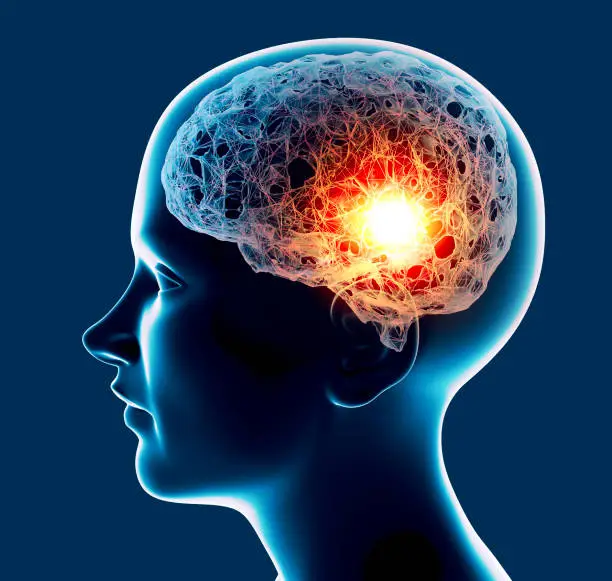
Neuro Rehabilitation focuses on helping individuals recover movement, function, and independence after damage to the brain, spinal cord, or nerves. These conditions may result from stroke, spinal cord injury, head injury, neurological diseases, or nerve disorders. Physiotherapy plays a vital role in improving mobility, reducing complications, and enhancing overall quality of life.
Common Conditions Treated
- Stroke (paralysis or weakness)
- Spinal cord injuries
- Traumatic brain injury
- Parkinson’s disease
- Multiple sclerosis
- Cerebral palsy
- Peripheral nerve injuries (e.g., foot drop, facial palsy)
- Neuromuscular disorders
Goals of Physiotherapy
Neuro rehab programs are designed to:
- Improve movement and coordination
- Increase muscle strength and flexibility
- Restore balance, posture, and walking ability
- Enhance independence in daily activities
- Reduce pain, stiffness, and spasticity
- Prevent long-term disability and complications
Treatment Methods
- Task-oriented and functional exercises
- Gait (walking) and balance training
- Strengthening and mobility exercises
- Neurodevelopmental therapy (NDT)
- Manual therapy and stretching
- Coordination and motor relearning techniques
- Muscle stimulation and electrotherapy
- Training for transfers and daily activities
Benefits of Neuro Rehabilitation
- Better control of movement and posture
- Improved walking and independence
- Reduced stiffness, spasticity, and pain
- Faster neurological recovery
- Higher confidence and better quality of life
Neuro rehabilitation empowers patients to relearn essential skills, regain physical abilities, and return to a more active, meaningful, and independent life.